
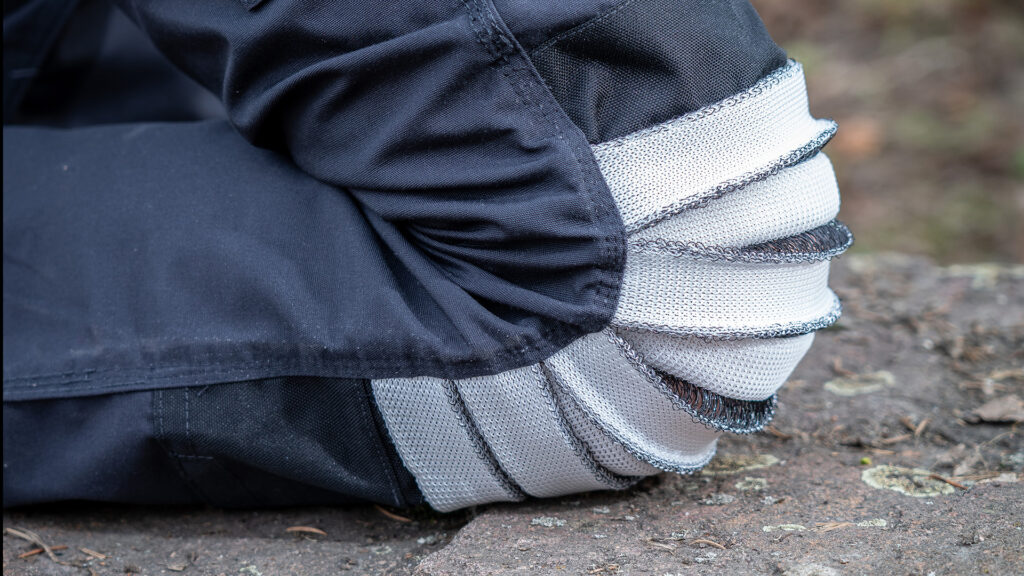
aux3D
Auxetic materials expand perpendicular to the applied force rather than contracting. The STFI has now developed such structures for flat impact protection.
Auxetic materials expand perpendicular to the applied force rather than contracting. The STFI has now developed such structures for flat impact protection.
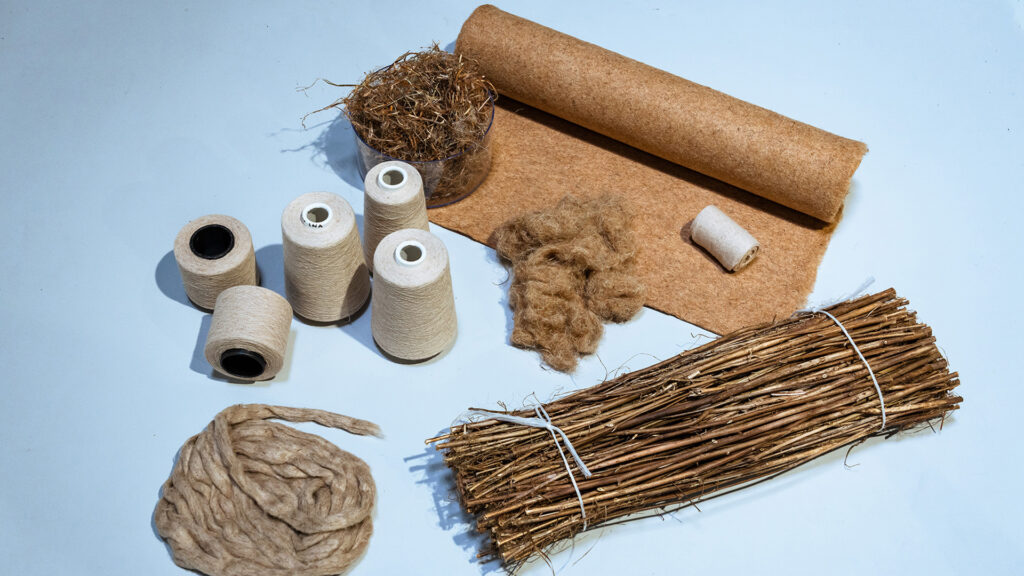
The INDEXTM trade fair, the world’s leading nonwovens exhibition, will take place from 19 to 22 May 2026. The STFI’s Centre of Excellence in Nonwovens will be presenting its research highlights.
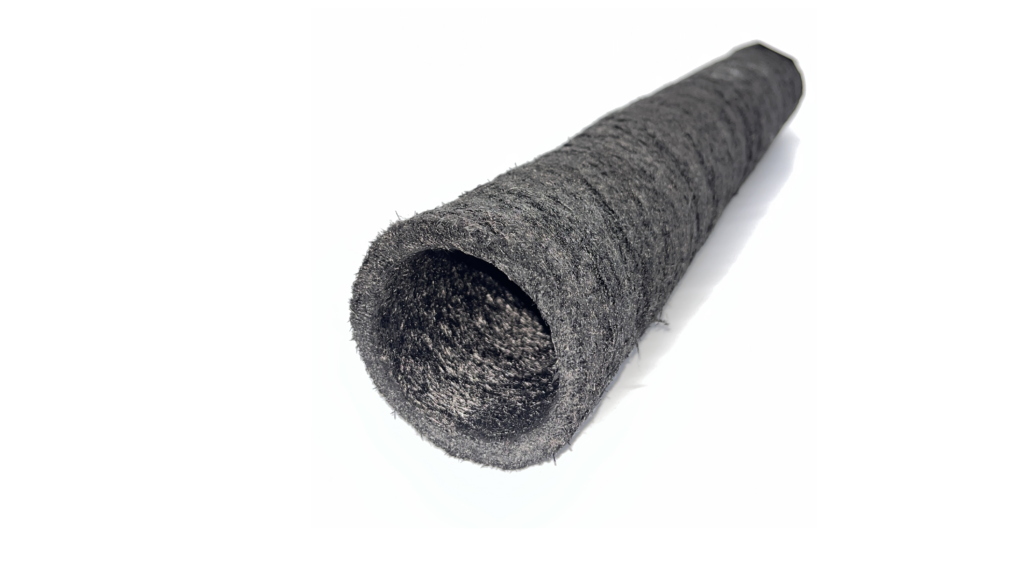
Are tubular and hose structures made from circular-needled nonwovens a seamless alternative to flat-needled ones? At STFI, the relationships between materials and processes were investigated.
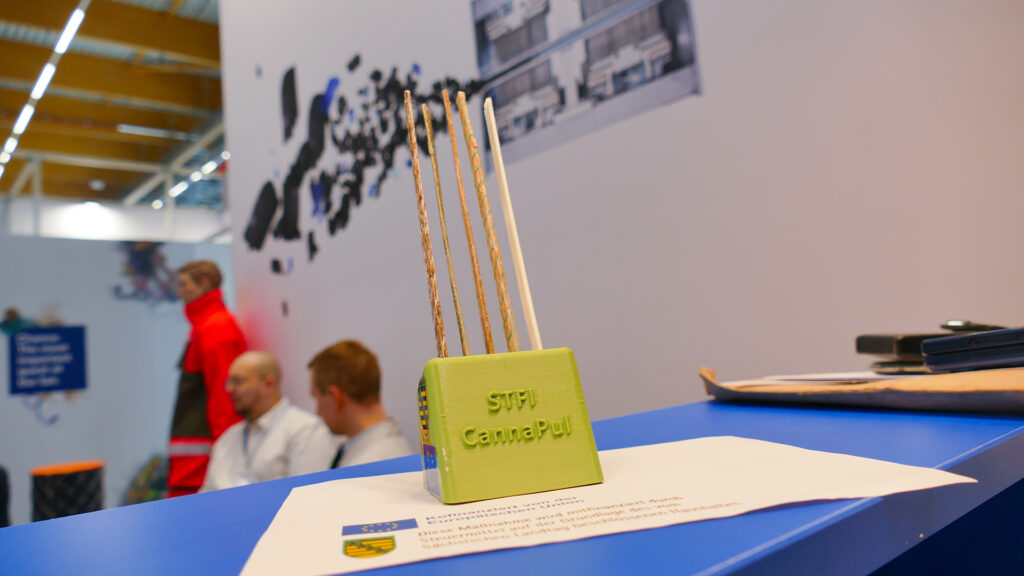
STFI and Fraunhofer IWU are currently working to establish a regional value chain for hemp bast in order to manufacture bio-based lightweight structural profiles.
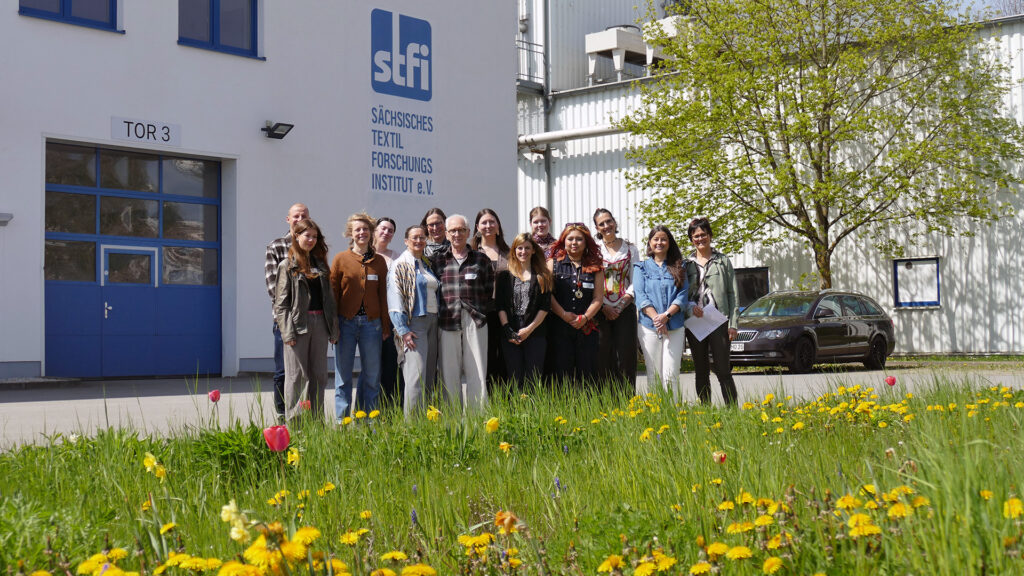
As part of the ERASMUS+ project “SiT”, the Italian coordinator and the partners visited the STFI to learn first-hand about textile sustainability and recycling solutions.
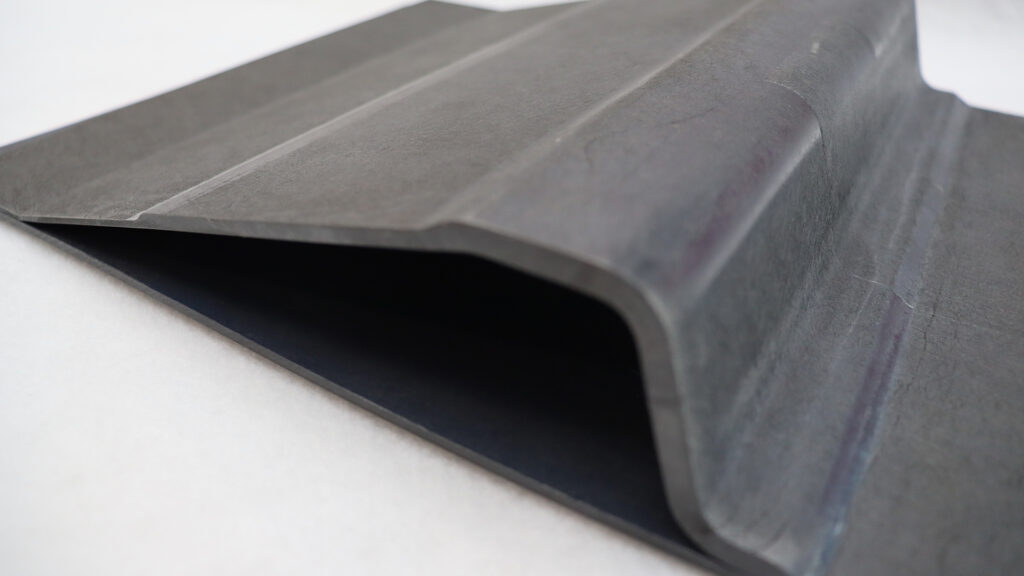
This manufacturing process integrates component development directly into the production of organic sheets. The method enhances the cost-effectiveness and sustainability of organic sheet production.
This ballistic composite fabric, based on non-woven materials, can be used to retrofit structural elements such as shooting ranges.
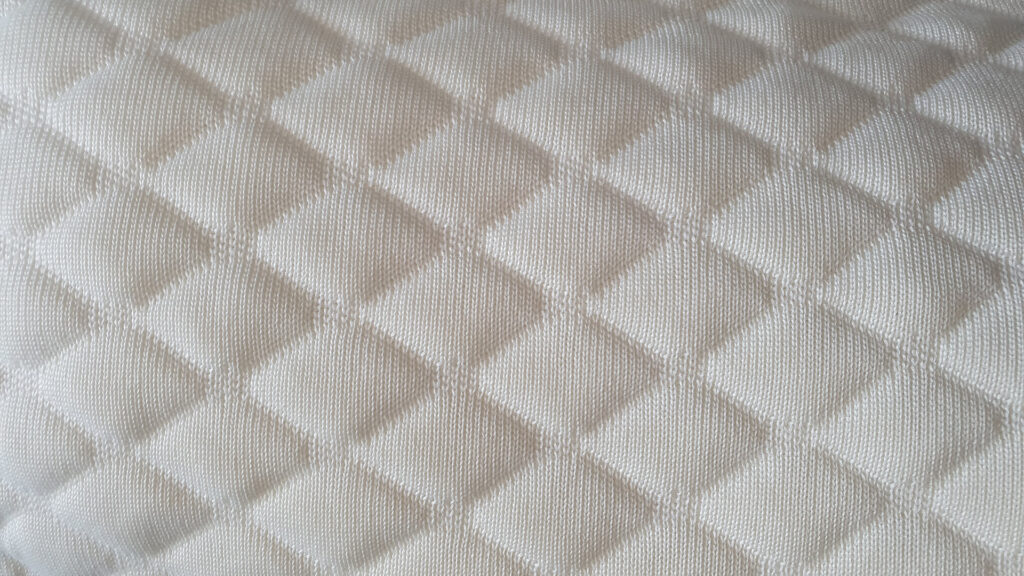
The STFI has developed active cooling garments for surgeons and insulating patient drapes. These prevent wound contamination caused by perspiration.
Surgical cooling garments Weiterlesen »
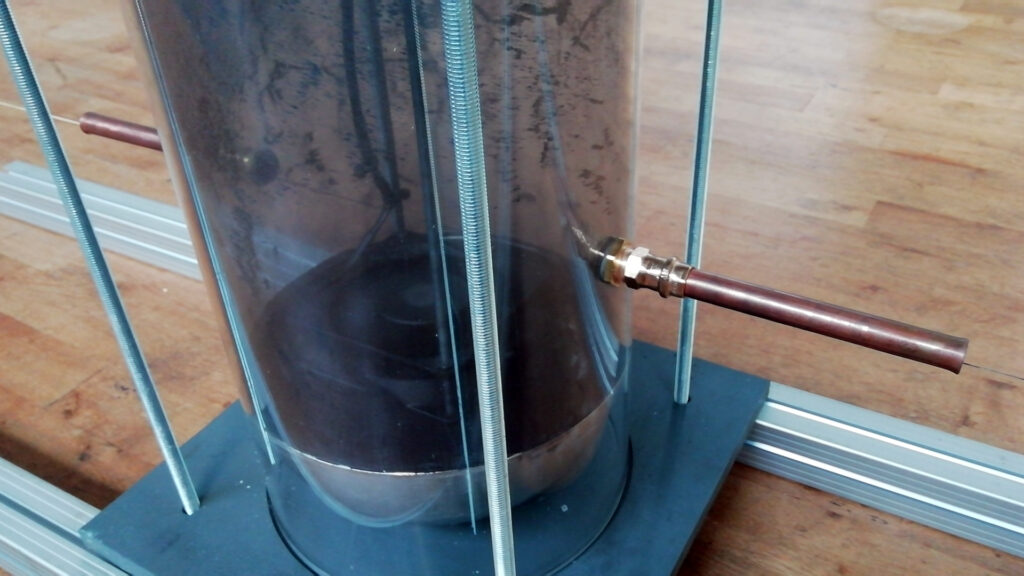
The STFI has developed a spinning chamber for coating filaments with graphite in order to reduce internal friction in fibre ropes. This makes them a viable alternative to steel wire ropes.
Filament coating with graphite Weiterlesen »

At Techtextil 2026, the STFI will be showcasing initiatives for the circular textile economy and presenting solutions for a healthy and safe life. Come and visit us from 21–24 April 2026 in Frankfurt am Main.
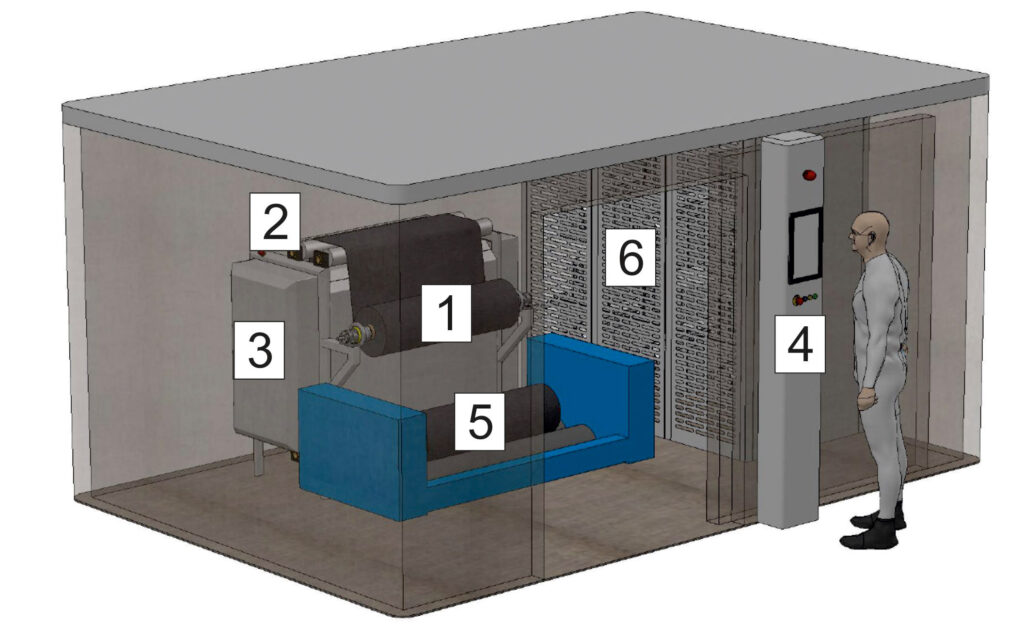
The ebeam process has been further developed; in this process, high-energy accelerated electrons strike the surface of textile fabrics and break down any adhering finishes.

The PESCO-UP project is developing a sustainable process to convert PES/CO waste into single-type, high-quality materials. January marked the halfway point.