
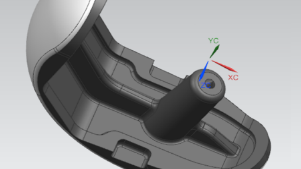
Ti-VlieKe
At the STFI, titanium-based non-woven structures for implants were tested; these are to be embedded in a ceramic substrate using injection moulding to enable bone cells to integrate more effectively.
At the STFI, titanium-based non-woven structures for implants were tested; these are to be embedded in a ceramic substrate using injection moulding to enable bone cells to integrate more effectively.
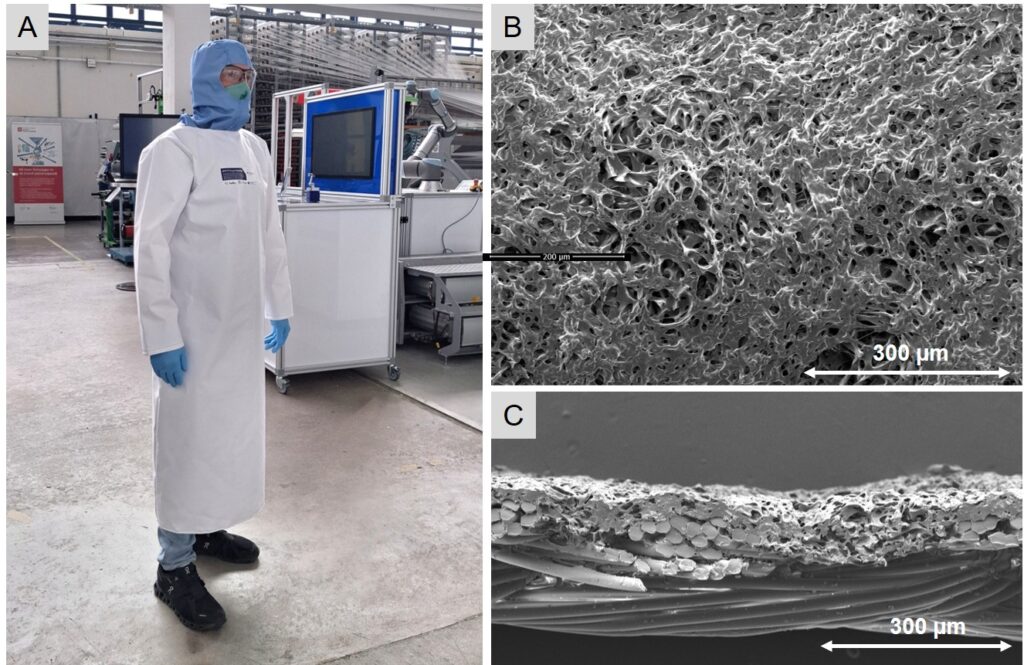
Reusable rather than single-use: Innovative, washable composite materials for infection control have been developed at the STFI. The result is protective gowns and head covers with high filtration performance and good water vapour permeability.
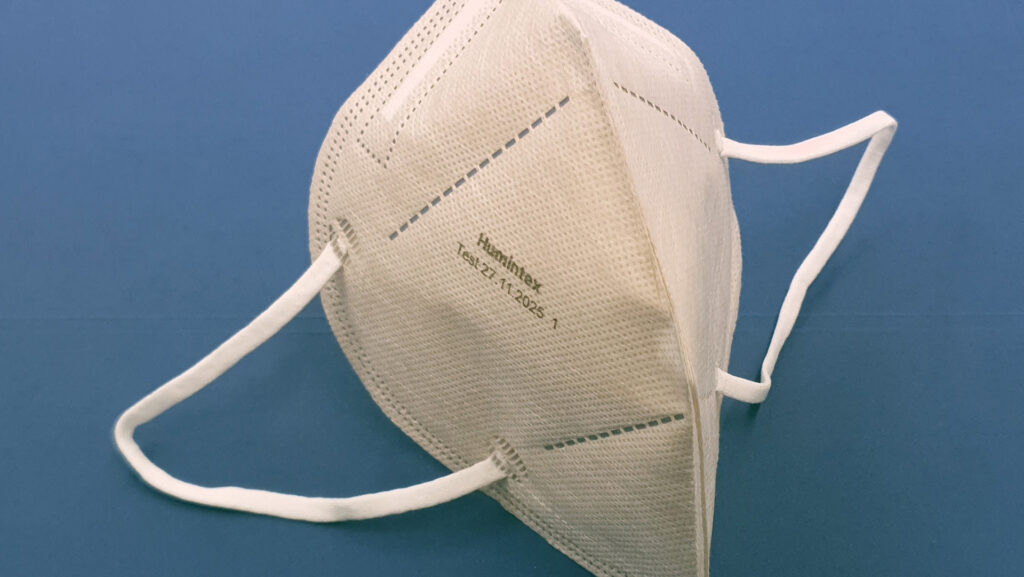
Researchers at the STFI have developed a bio-based and biodegradable textile composite for particle-filtering respirators, as well as a novel, environmentally friendly antiviral finish for it.
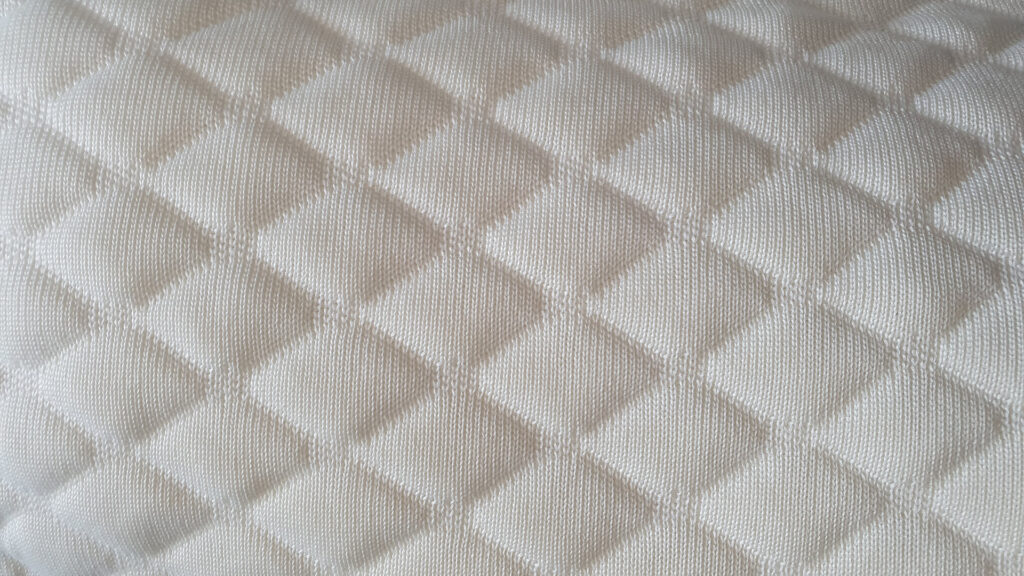
The STFI has developed active cooling garments for surgeons and insulating patient drapes. These prevent wound contamination caused by perspiration.
Surgical cooling garments Weiterlesen »
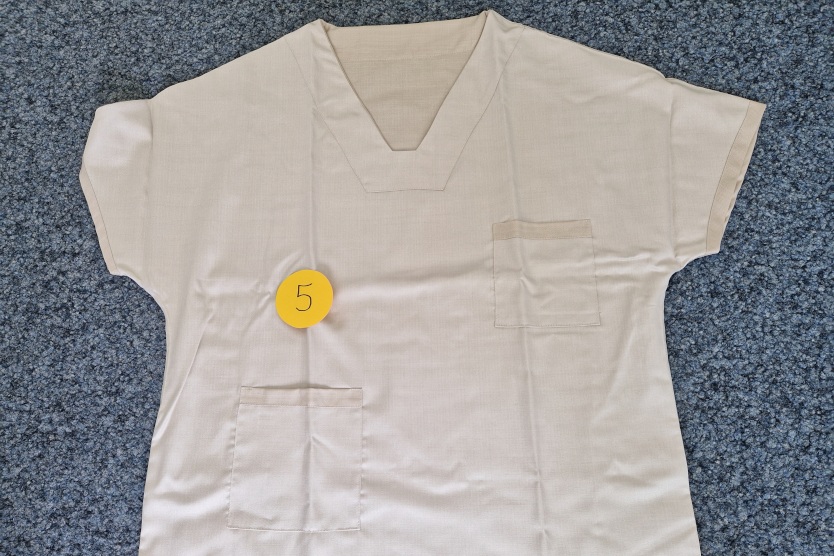
Manufacturers of clothing for people with atopic dermatitis are seeking to bridge the gap between individual customer requirements and data processing for production preparation. The STFI has now presented such a model.
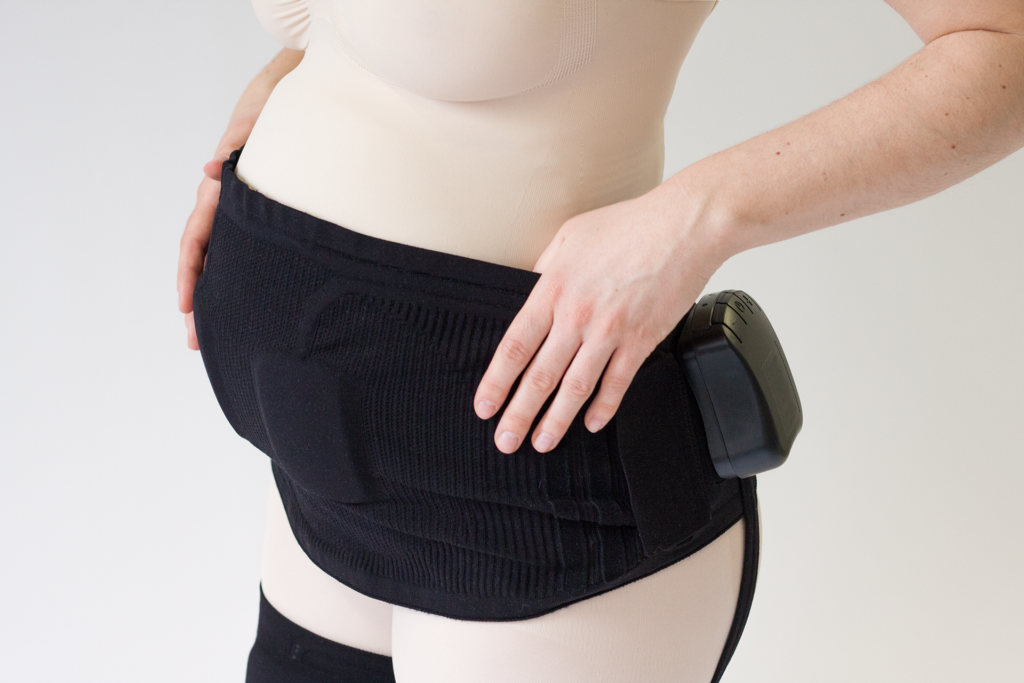
This knitted sports belt is designed to aid postnatal muscle strengthening of the deep abdominal and pelvic floor muscles using modulated medium frequencies for portable use.
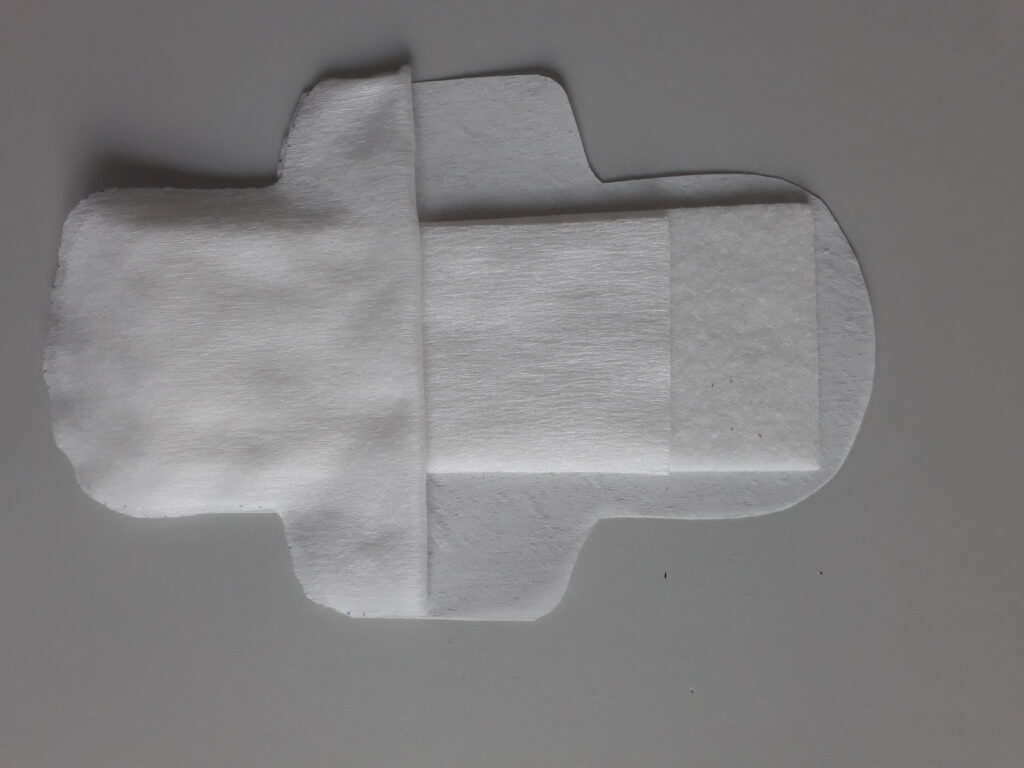
This bio-based hygiene nonwoven fabric, made from environmentally friendly materials, is characterised by its high water absorption capacity and was awarded the Techtextil Innovation Award 2022.
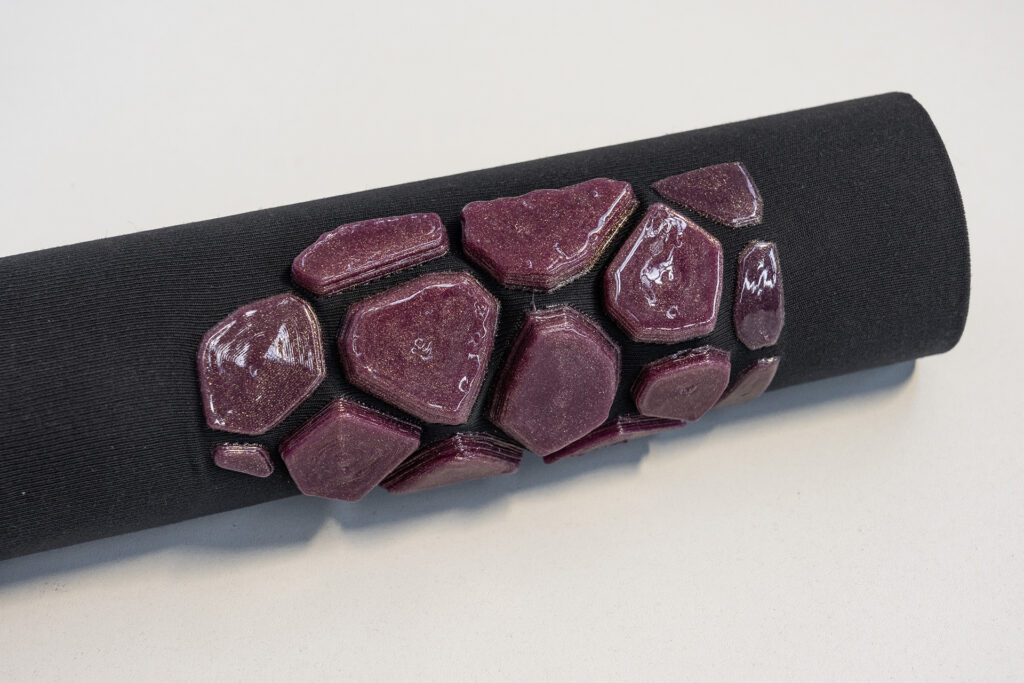
A novel combination of 3D printing and UV-LED curing has been developed for the digital, partial Functionalisation of textiles, such as sports bandages.