
C6C8
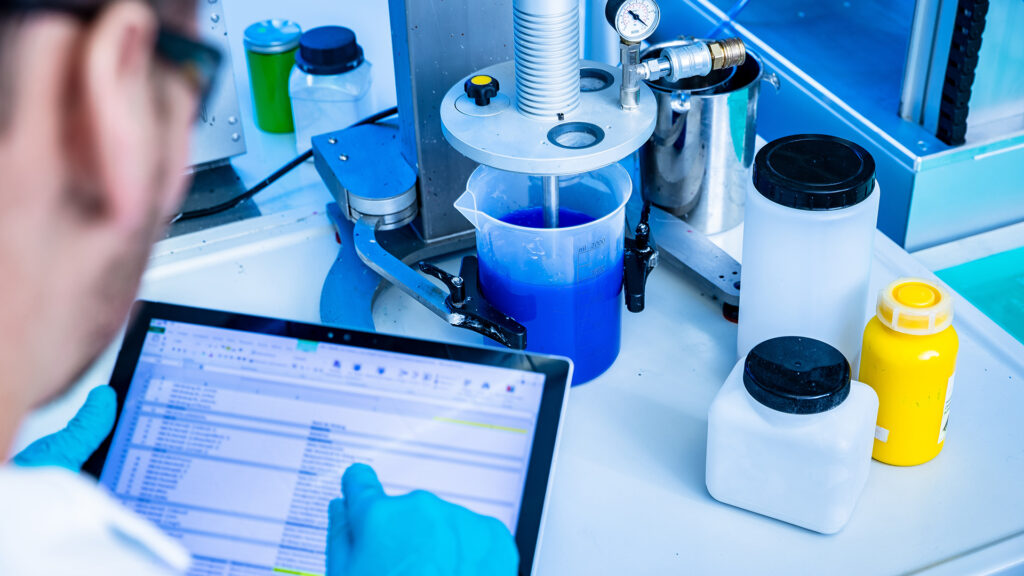
Fluorine-free functionalisation: STFI and IPF are developing dispersions for water- and oil-repellent textiles – for high-performance products and a reduced environmental impact.
Fluorine-free functionalisation: STFI and IPF are developing dispersions for water- and oil-repellent textiles – for high-performance products and a reduced environmental impact.
MC4 demonstrates how production waste and end-of-life composite materials can be recycled and reused in new applications, such as an aircraft rib made from 100 per cent recycled material.
At the STFI, titanium-based non-woven structures for implants were tested; these are to be embedded in a ceramic substrate using injection moulding to enable bone cells to integrate more effectively.
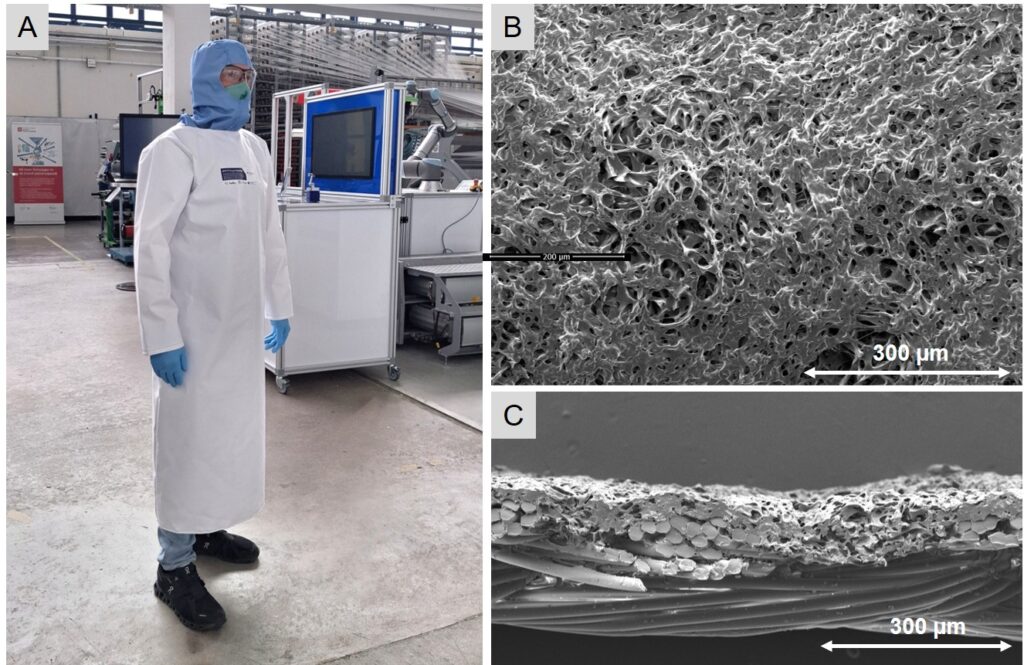
Reusable rather than single-use: Innovative, washable composite materials for infection control have been developed at the STFI. The result is protective gowns and head covers with high filtration performance and good water vapour permeability.
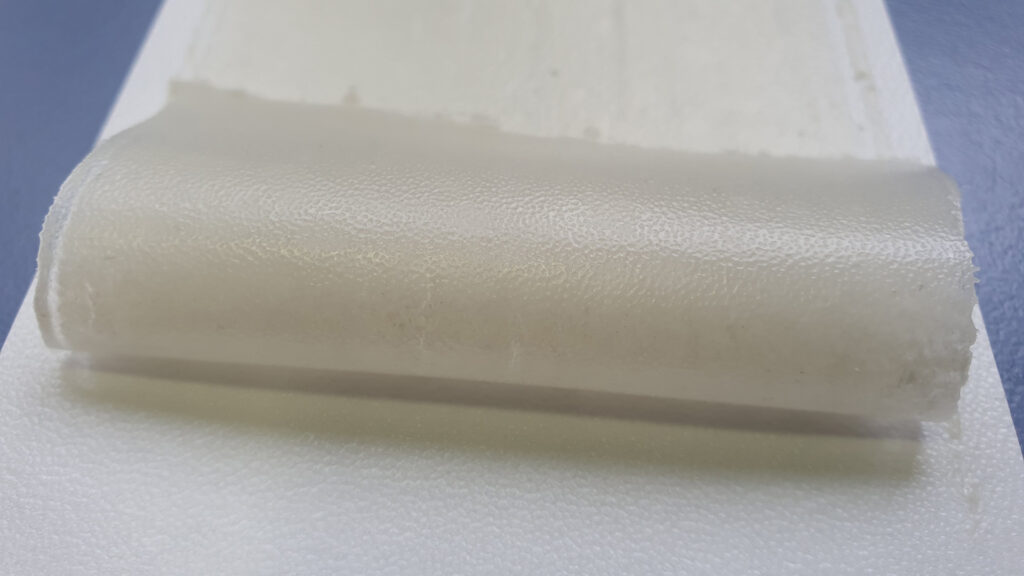
Bacterial cellulose for functional textiles: Functionalisation experts at the STFI have developed new coating and printing pastes for protection, decoration, conductivity and sensor technology.
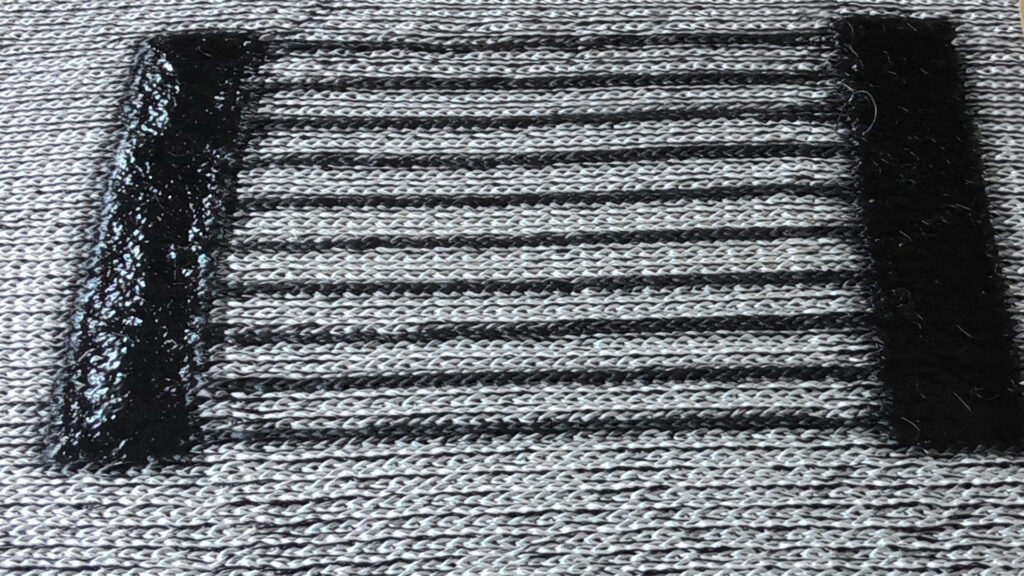
In technical applications, surface structures subjected to mechanical stress are often monitored only at specific points or after the fact. This development presents a solution based on knitted structures.
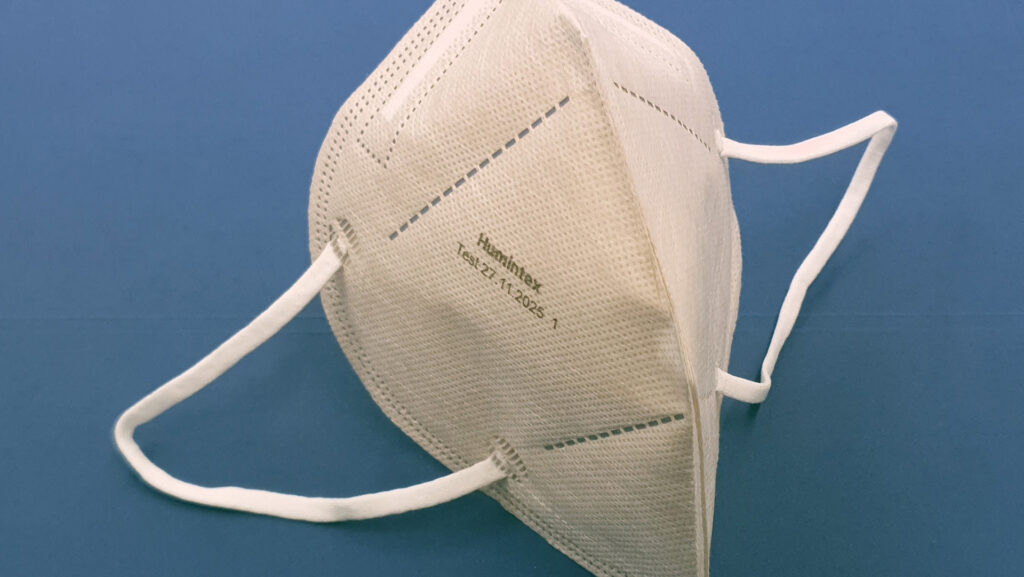
Researchers at the STFI have developed a bio-based and biodegradable textile composite for particle-filtering respirators, as well as a novel, environmentally friendly antiviral finish for it.
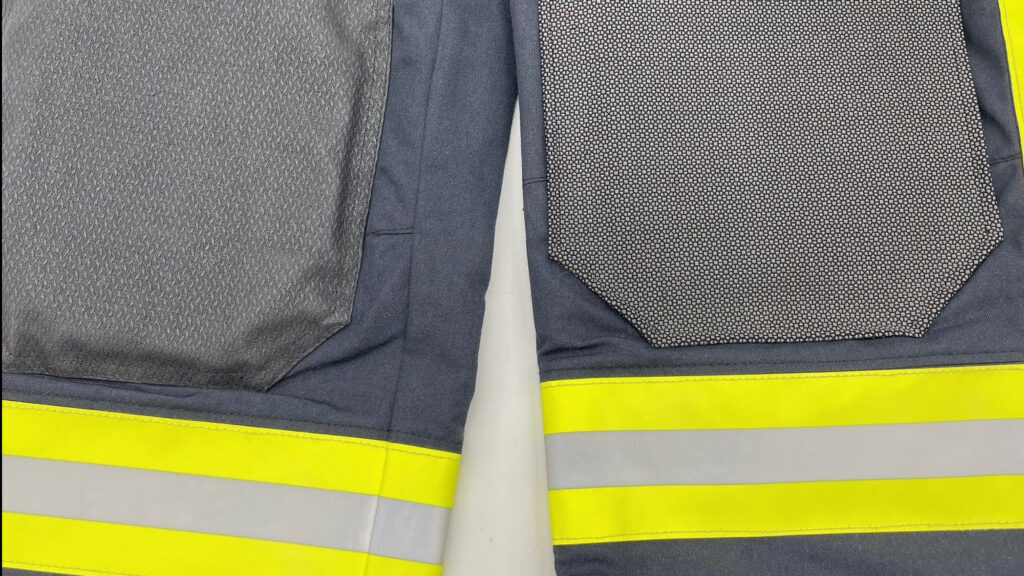
An eco-friendly, flame-retardant, abrasion-resistant and segmented protective coating, including a backing material, for fire-fighting clothing and for personal and occupational safety.
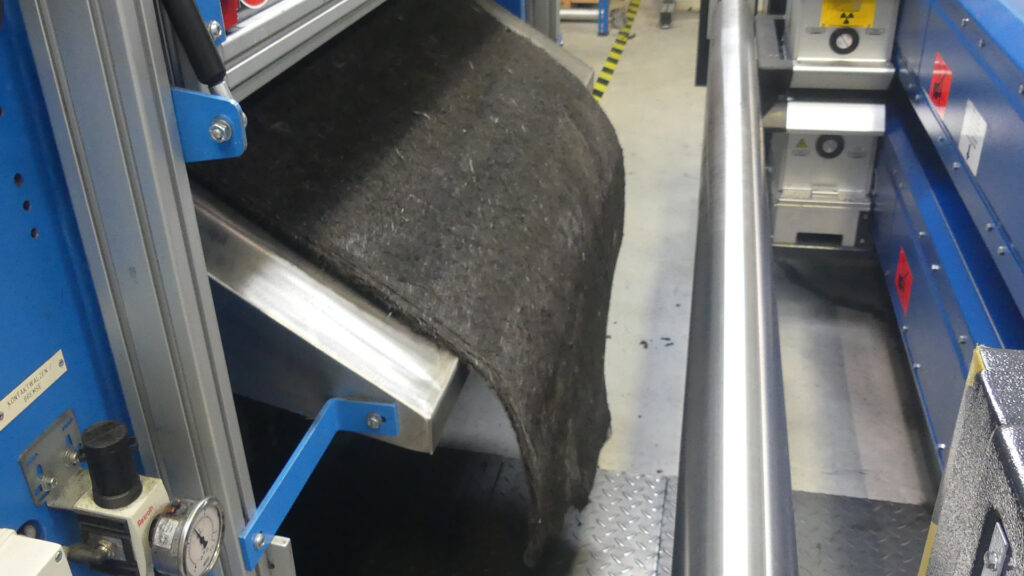
As part of the WIR! funding programme, composite components and reinforcing bars made from recycled carbon fibres were developed at the STFI.
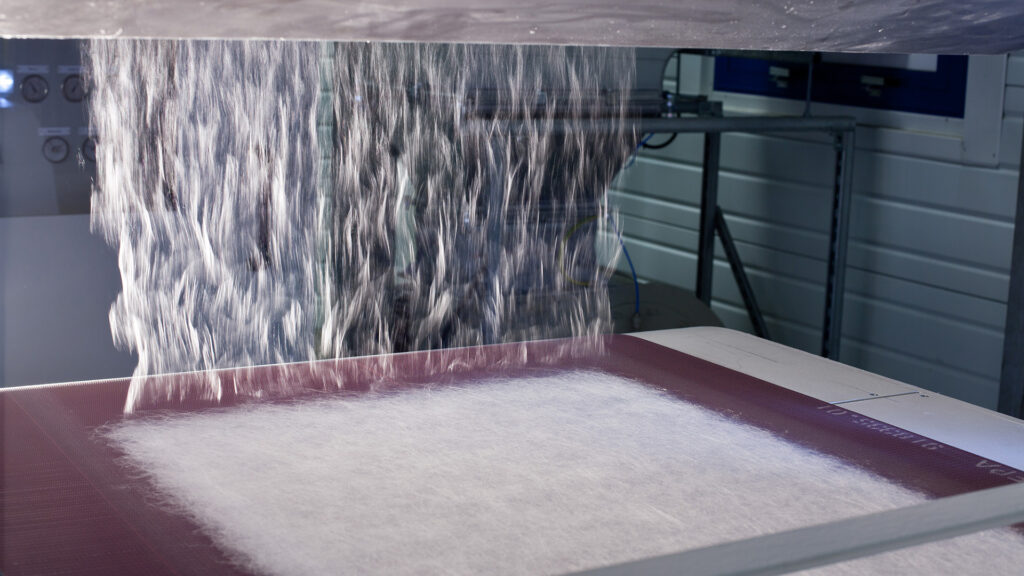
New additives for charge stabilisation have been developed for electret-charged meltblown nonwovens made from biopolymers, and their mechanisms of action have been investigated.
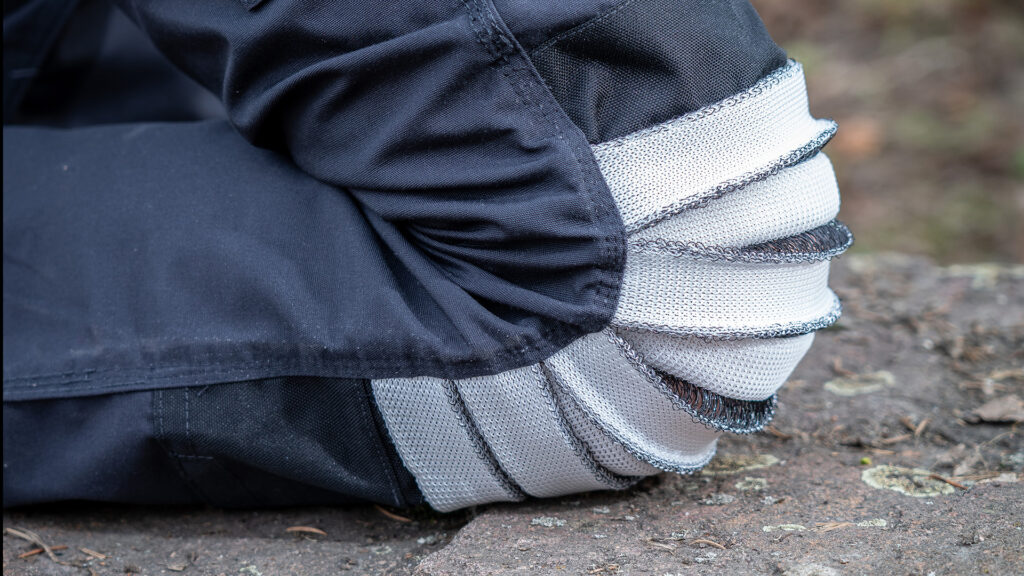
Auxetic materials expand perpendicular to the applied force rather than contracting. The STFI has now developed such structures for flat impact protection.
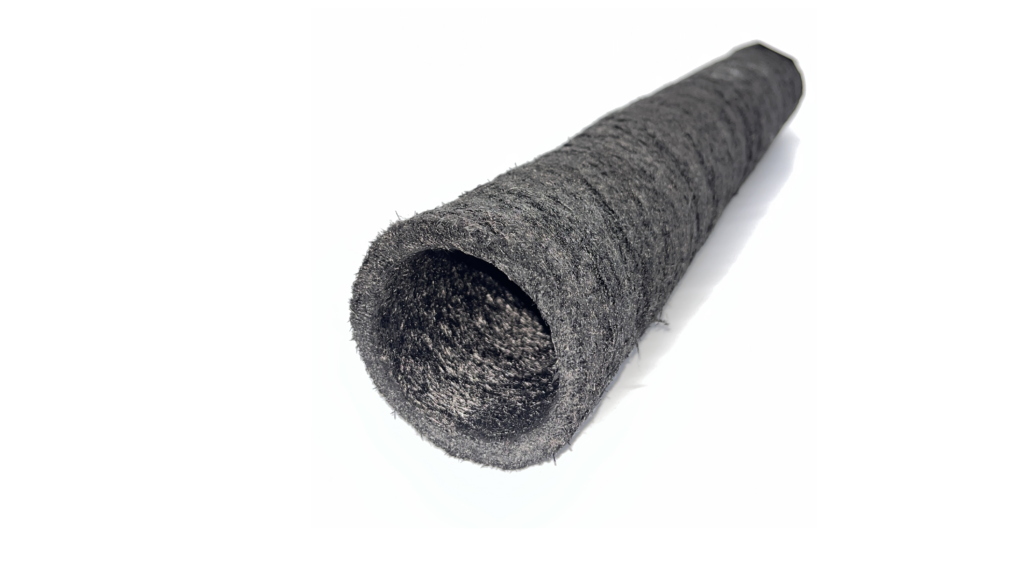
Are tubular and hose structures made from circular-needled nonwovens a seamless alternative to flat-needled ones? At STFI, the relationships between materials and processes were investigated.